Who Qualifies for Independent Living?
There’s a common assumption that senior living communities are only for people who need significant help getting through the day. If that’s what’s been holding you back from considering independent living, it’s worth setting the record straight. Qualifying for independent living has almost nothing to do with needing help, and almost everything to do with wanting a simpler, more connected way to live.
Here’s an honest look at who independent living is actually designed for, and how to know if it’s the right fit for you.
The Simple Independent Living Qualification: Age 55 and Better
At its core, independent living is built for adults aged 55 and over. That’s really the primary qualification. There’s no complicated intake process built around your health history or a checklist of conditions to meet. If you’re at the stage of life where you’re ready to simplify, connect, and enjoy more of your time, you already fit the profile of a typical resident.
What “Independent” Really Means When It Comes to Qualifying for Independent Living
The word “independent” in independent living isn’t a strict requirement so much as a description of the lifestyle itself. It means you’re capable of managing your own daily routine, your own schedule, and your own choices, without needing hands-on personal assistance throughout the day. You’re simply trading the burdens of homeownership, cooking every meal, cleaning, maintenance, for a lifestyle where those tasks are handled for you.
This is an important distinction, because it’s easy to assume “independent” means you have to be entirely self-sufficient in every sense. In reality, it just means your daily life doesn’t require regular personal assistance, which describes a wide range of active, capable retirees.
You Don’t Need to Be in Perfect Health to Qualify for Independent Living
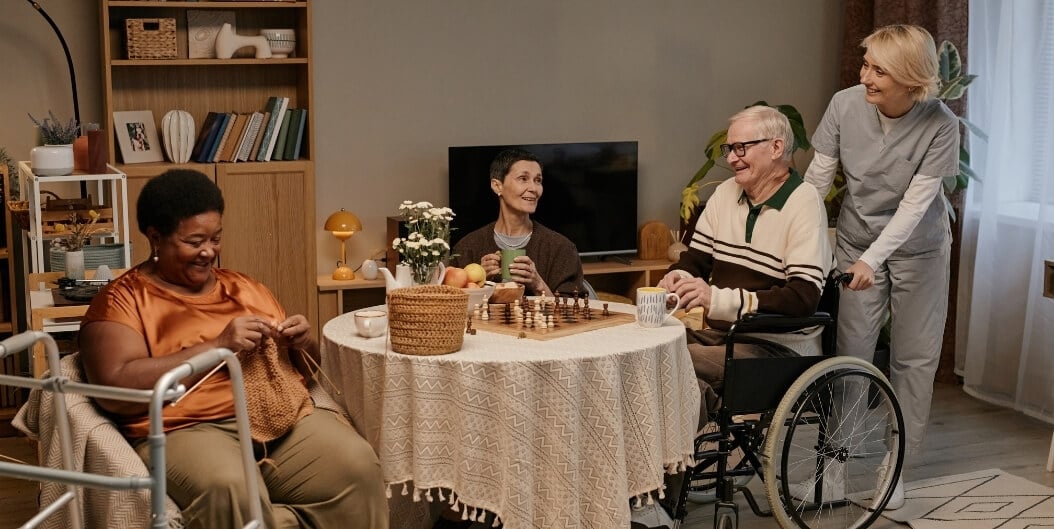
One of the biggest misconceptions is that independent living is only for people in excellent physical condition. That’s simply not the case. Communities are thoughtfully designed with features like emergency response systems, wheelchair accessibility, and safety rails built into private and shared spaces, giving you a genuine safety net without requiring perfect health to move in.
This balance of support, available when needed but never imposed, means you can qualify for independent living even if you use a mobility aid, manage a minor health condition, or simply want the reassurance of built-in safety features as you get older.
Independent Living Is a Fit for Many Different Lifestyles and Needs
No two residents look exactly alike, and that’s the point. Independent living communities are built to accommodate a genuine range of preferences, routines, and personalities. Some residents prefer an early morning walk before breakfast, while others enjoy sleeping in and starting their day at a slower pace. This kind of flexibility is part of how residents with different needs thrive together in a well-designed community, without anyone having to conform to a single mold.
Whether you’re single, part of a couple, a pet owner, or someone who simply wants more social opportunities than you currently have, independent living tends to accommodate far more lifestyles than people expect.
Signs Independent Living Might Be the Right Fit for You
If you’re still unsure whether you qualify or fit the profile, a few common signs tend to point toward independent living being the right next step:
- You’re ready to trade home maintenance and chores for more free time
- You want more consistent social interaction than you currently have
- You’re interested in amenities and services that make daily life easier, without needing hands-on personal assistance
- You value having safety features nearby, even if you don’t currently rely on them
- You’re looking for a built-in community of like-minded people your own age
If several of these resonate, independent living is likely designed with exactly your situation in mind.
What Independent Living Does Not Require
It’s just as useful to know what independent living doesn’t ask of you. You don’t need a referral, a health assessment focused on daily living tasks, or a specific diagnosis to qualify. You don’t need to give up your car, your pets, or your independence in any meaningful sense. What you gain access to, whether that’s dining and everyday conveniences or a full calendar of popular activities residents genuinely look forward to, is simply there to support the lifestyle you already want to live, not to replace your independence with something more restrictive.
For many retirees, the appeal comes down to exactly this kind of freedom. As explored in what makes vacation-style cottages so appealing, the goal isn’t to change who you are or how you live. It’s to remove the parts of daily life that were getting in the way of enjoying it.
See Firsthand Who Calls Lakestone Terrace Senior Living Home
The best way to know if you’re a good fit is to see it for yourself. At Lakestone Terrace Senior Living, you’ll meet a community of residents from all kinds of backgrounds and routines, all enjoying the same simple freedom you’re looking for. Schedule a tour of Lakestone Terrace Senior Living and see exactly where you’d fit in.